




- Design
SURFACE TRENDS : Shaping Ceramics for 2026 and Beyond
Each year, Cersaie offers a clear snapshot of where the world of ceramics and surfaces is heading. More than just a showcase of new products, it reveals the broader conversations shaping architecture and interior design — from how materials are experienced sensorially, to how sustainability and craftsmanship are being reinterpreted through modern technology.
As we look toward 2026, several key themes are emerging strongly across European manufacturers, influencing how ceramics are specified, layered and lived with in contemporary interiors.
Texture Takes Centre Stage
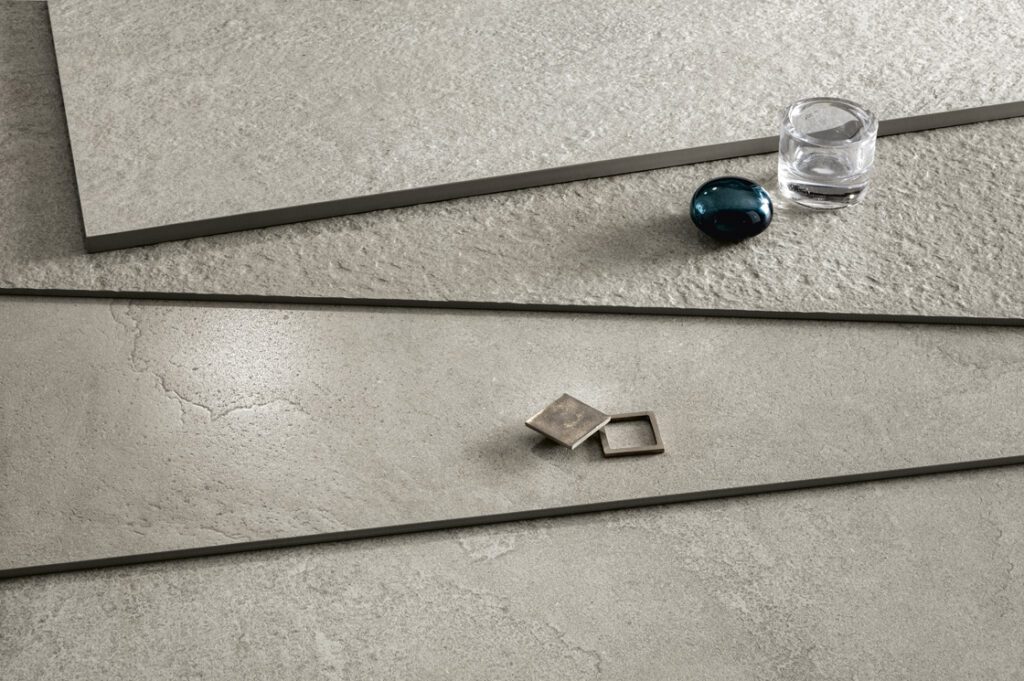
One of the most notable shifts is a renewed focus on tactile surfaces. Ceramics are no longer just visual backdrops — they are designed to be felt. From softly undulating finishes to structured, almost sculptural reliefs, texture is being used to add depth, warmth and character to both residential and commercial spaces.
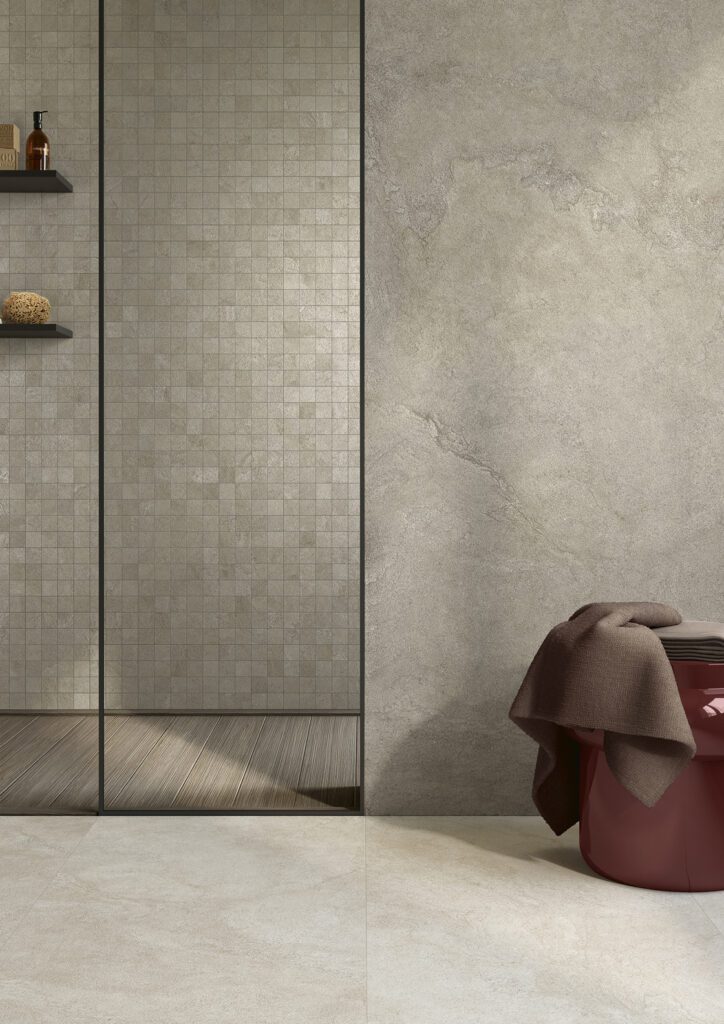
An example of this would be our new into showroom collection from Italian supplier, Lea named Pulse. This range is available in 4 colourways and provides a neutral yet textural layer to any interiors scheme, adding depth and interest.

This move toward tactility reflects a broader desire for interiors that feel grounded and human, balancing the precision of modern design with sensory richness. Textured surfaces work particularly well in bathrooms, feature walls and transition spaces, where subtle variation can elevate an otherwise minimal palette.
Organic Colour and Material Nuance
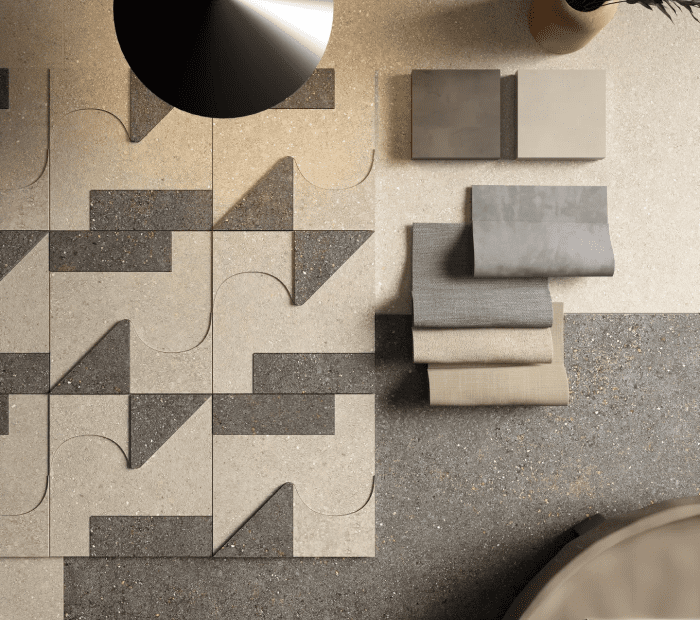
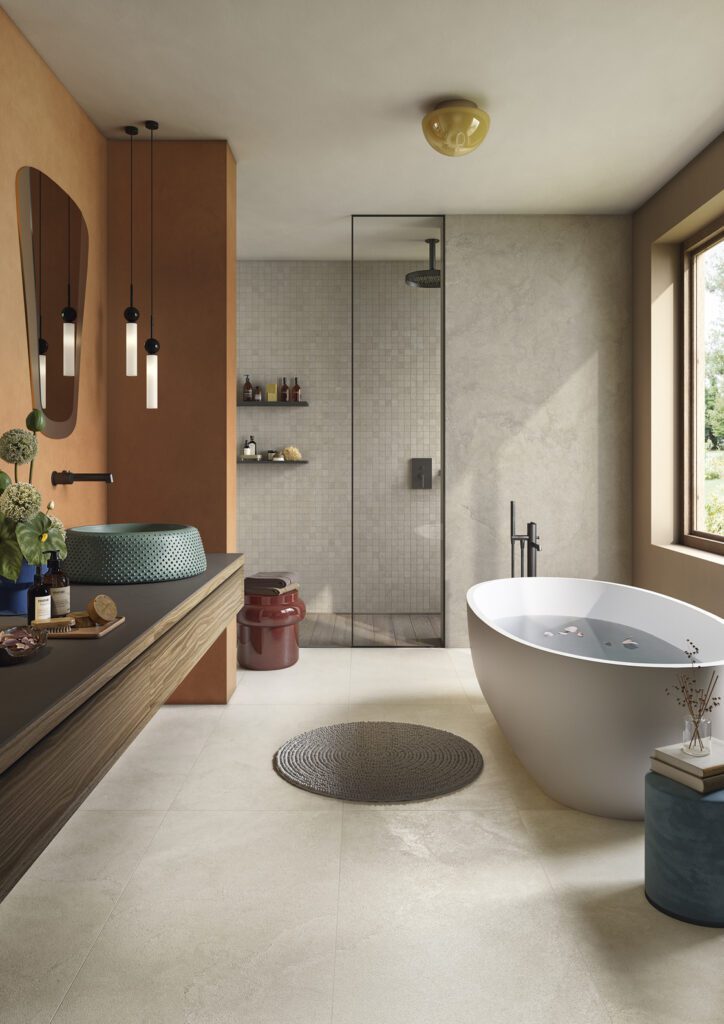
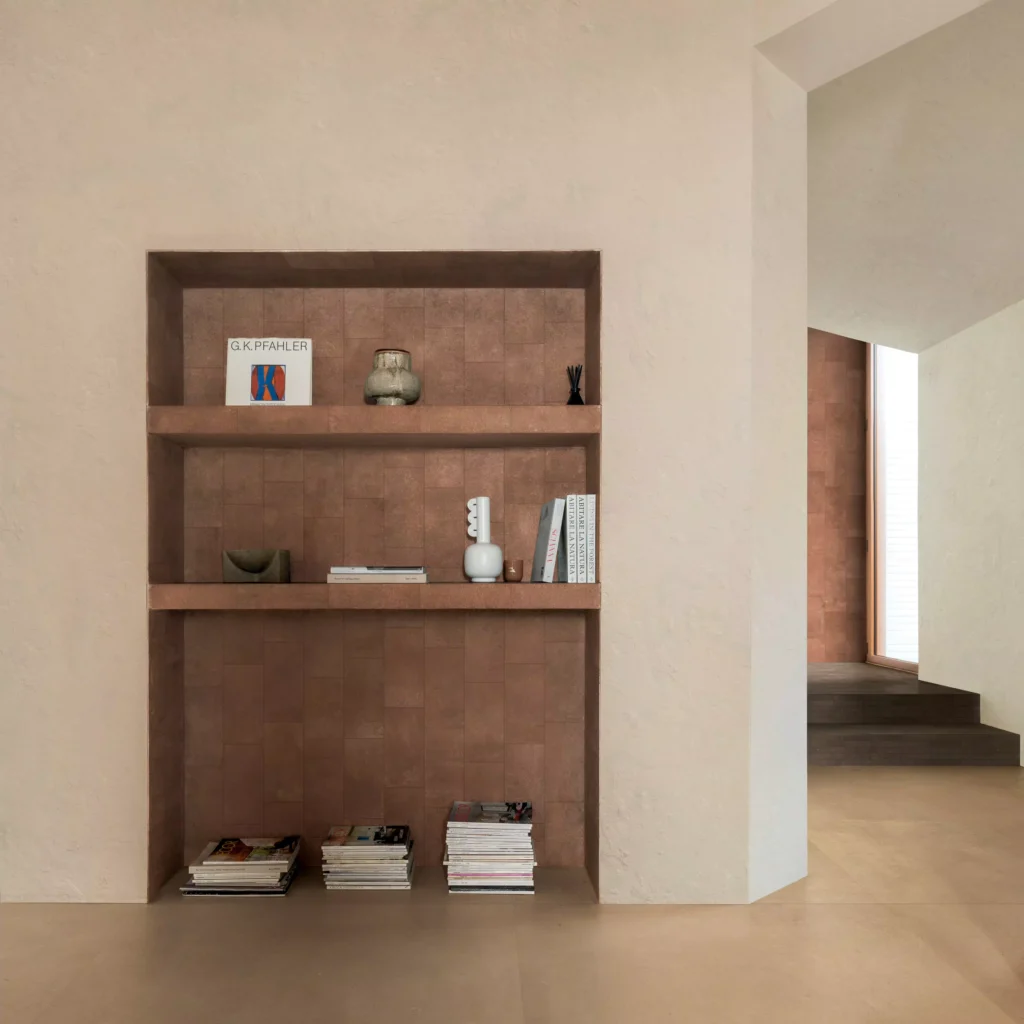
While neutral schemes remain timeless, colour is returning in a more nuanced, organic way. Earth-led tones — clay, sand, stone and mineral greens — are being explored with increased complexity, often layered with tonal variation rather than flat, uniform finishes.
These palettes feel inherently European in their restraint, drawing inspiration from natural landscapes and aged materials rather than overt trend colour statements. The result is surfaces that feel quietly luxurious and adaptable, sitting comfortably within both contemporary and classic interiors.
Craft, Reinterpreted Through Innovation
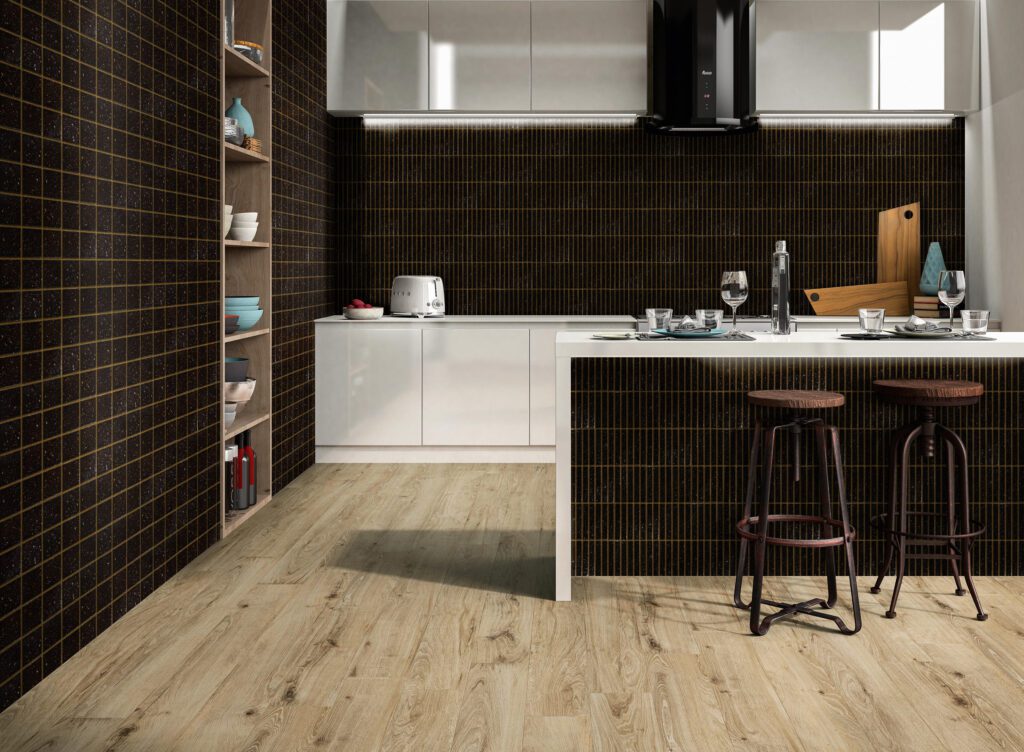
European Ceramics continues to champion our supplier's ability to blur the line between traditional craftsmanship and advanced manufacturing. Many collections reference hand-applied glazes, terrazzo-style compositions or artisanal stonework, yet are produced using cutting-edge techniques that ensure consistency, durability and performance.
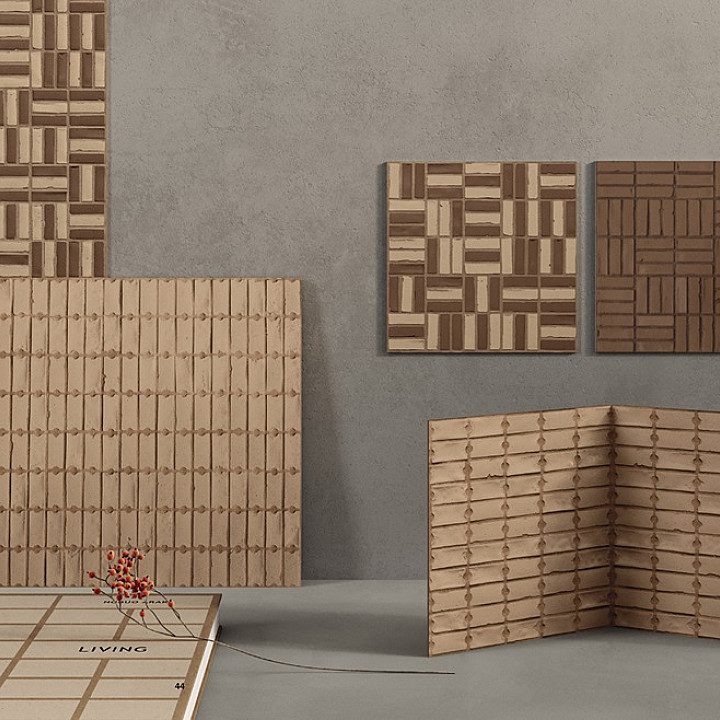
This balance allows designers to specify surfaces that carry the visual language of craft while meeting the practical demands of modern living. It also speaks to a growing appreciation for materials that tell a story — where heritage, process and innovation coexist.
Sustainability as a Design Standard
Sustainability is no longer presented as a property, but as a baseline expectation. Across new collections, manufacturers are placing increased emphasis on responsible sourcing, recycled content, reduced emissions and long-term durability.
Importantly, this shift does not come at the expense of aesthetics. Instead, sustainability is being seamlessly integrated into design narratives, reinforcing the idea that thoughtful material choices can be both environmentally responsible and visually compelling.
Large Format and Architectural Applications
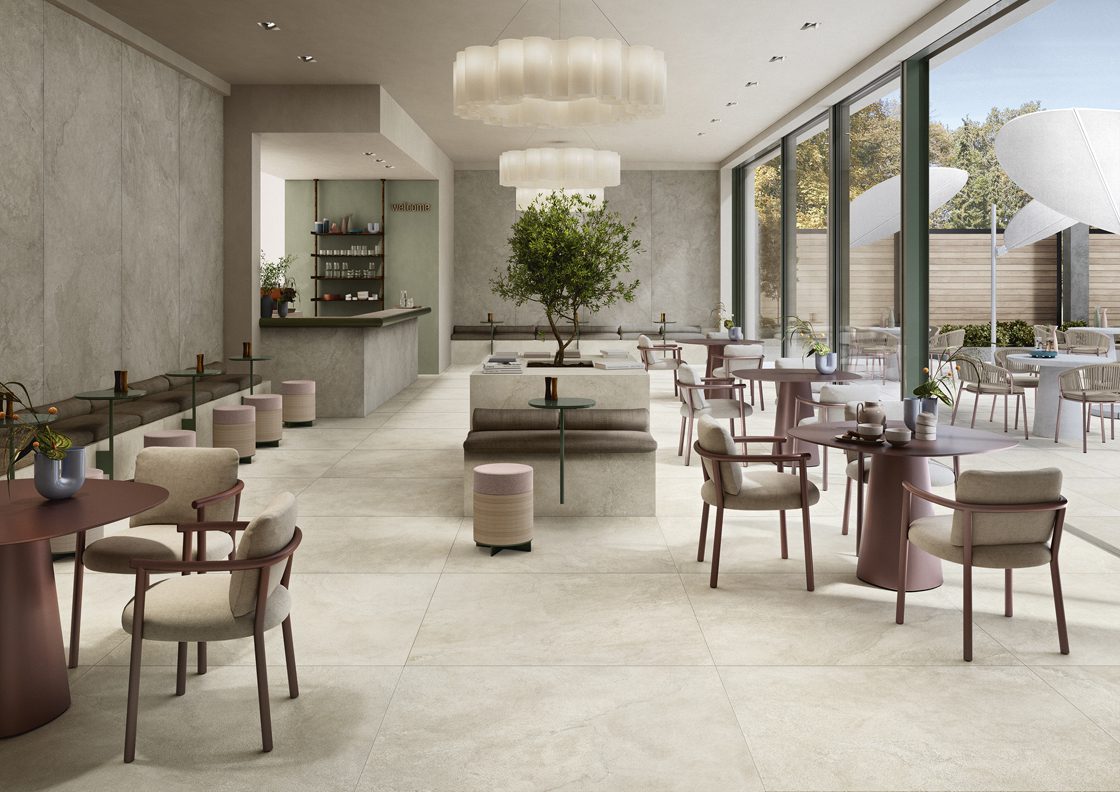
Large-format porcelain continues to evolve beyond flooring and wall applications. Increasingly, slabs are being used as architectural elements — wrapping joinery, forming custom vanities, kitchen surfaces and fireplace surrounds.
This approach allows for visual continuity and a refined, monolithic feel, particularly in high-end residential projects. The ability to replicate natural stone with greater control and performance makes porcelain an increasingly versatile tool for designers working across multiple zones within a space.
Looking Ahead
The surface trends emerging from Cersaie point toward a future where ceramics play a more expressive, experiential role in interiors. Texture, tone and material integrity are becoming central to how spaces are designed and experienced, supported by innovation that enhances both beauty and performance.
At European Ceramics, we continue to curate collections that reflect these global directions while remaining grounded in timeless design principles. As we move into 2026 and beyond, ceramics will remain at the forefront of creating spaces that feel considered, enduring and deeply connected to materiality.